



Navigation
Propecia for Hair Loss
Propecia for Hair Loss Propecia Press UK | Photos from Clinical Trials | Propecia FAQ | Propecia Main Page | Charity Challenge | Porpecia Long Term Test Propecia Press Release Wednesday, 7 June, 2000, UK Men to pay for anti-baldness drug
Instead, men will have to obtain a private prescription from their GP and pay the full cost of Propecia themselves. Propecia is licensed to treat male patteren hair loss and can increase hair growth and prevent further hair loss. It is believed that 30% of men aged 18 and over could be helped by the treatment. The decision to ban the drug on the NHS followed consultation with doctors, pharmacists and patients. According to officials, most respondents agreed the drug should only be available privately. It was estimated that Propecia could have cost the health service between £6m and £32m annually. Even Merck Sharp and Dohme, manufacturers of Propecia, had called for the drug not to be made available on the NHS. Its spokesman welcomed the Government's decision. "We do not believe that it is appropriate for Propecia to prescribed at NHS expense." Health minister Lord Hunt said the decision was in line with the Government's priorities for the NHS. "Merck Sharp and Dohme has taken a very responsible approach to the introduction of Propecia. "Treatment of male pattern hair loss cannot compare with our priorities of cancer, heart disease and mental health." Inequality for men But Dr Ian Banks, chairman of the Men's Health Forum, said making the drug available on the NHS could have helped many men. "We have to be realistic about the funds available to the NHS but this smacks of inequality. It always seems that we are making savings when it comes to treatment for men. "We do not know how important baldness is when it comes to a man's health. " For instance, suicide rates in middle aged men is on the increase and baldness could be the last straw for some men, if they have already lost their job and their wife." The Department of Health will introduce new regulations later this year to allow GPs to write prescriptions for their NHS patients. Propecia only works for male pattern hair loss. It does not alleviate hair loss as a side-effect of chemotherapy for cancer sufferers or alopecia in children. Baldness occurs by a gradual shrinking of the follicle that produces the hair. The cause is not well understood, but it is associated with a genetic predisposition and the presence of high levels of male hormones such as dihydrotestosterone. .

Propecia for Hair Loss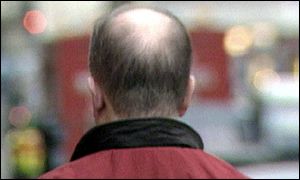
Balding men will have to pay for a new anti-hair loss drug after a Government decision not to make it available on the NHS.

Propecia